Article
Nov 12, 2026
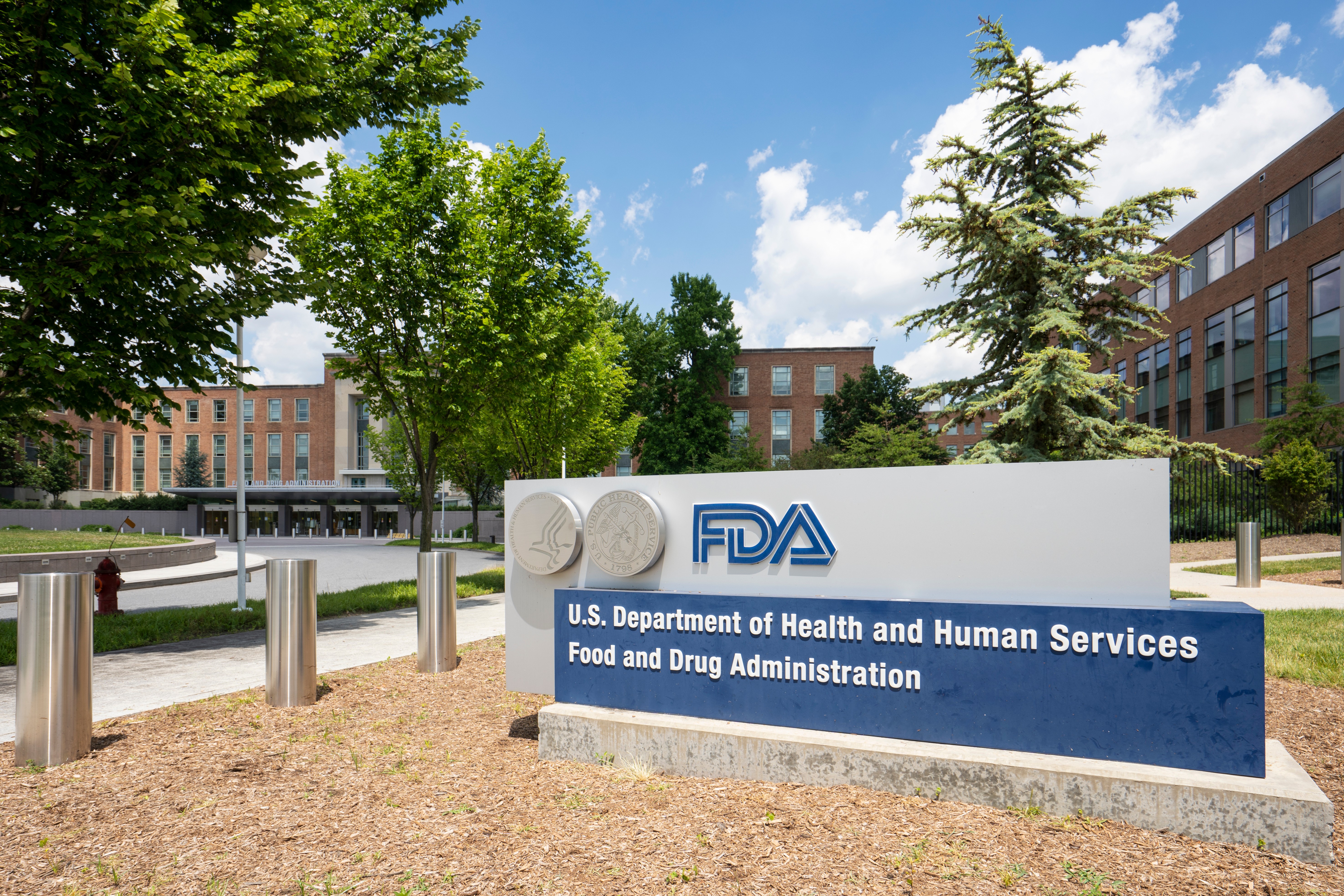
Naitive Technologies today announced that it has received 510(k) clearance from the U.S. Food and Drug Administration (FDA) for OsteoSight Spine...
November 12, 2026
Naitive Technologies, a medical technology company developing AI-driven software to reimagine orthopedic care, today announced that it has received 510(k) clearance from the U.S. Food and Drug Administration (FDA) for OsteoSight Spine. OsteoSight Spine enables opportunistic assessment of bone mineral density (BMD) using routine lumbar spine, thoracic spine, and chest X-rays acquired to investigate other clinical concerns. An estimated 124 million lumbar spine, thoracic spine, and chest X-rays are performed in the US each year[1]. This clearance follows FDA clearance of OsteoSight for hip and pelvis X-rays in September 2025. Together, these clearances turn routine images into an opportunity to identify patients at risk of low BMD.
Osteoporosis, characterized by the progressive loss of BMD, impacts millions of Americans and costs healthcare systems billions each year. Yet, 70% of patients with low BMD are undiagnosed[2], often until a fracture occurs, with vertebral fractures being the most common osteoporotic fracture[3]. Bone health is also a key determinant of surgical outcomes. In spine surgery, low BMD predicts pedicle screw loosening[4] and is associated with proximal junctional kyphosis and failure[5].
Designed with spine surgeons, neurosurgeons, and radiologists, OsteoSight Spine addresses an urgent unmet clinical need, with a solution that fits seamlessly into the existing clinical workflow. OsteoSight Spine analyzes routine lumbar spine, thoracic spine, and chest X-rays in patients 50 years and older and opportunistically identifies cases at risk for low BMD. It provides a notification in the form of a report to aid the interpreting physician and prompt a clinical assessment of bone health.
OsteoSight analyzes routine X-rays of the hip or pelvis in patients 50 years and older and opportunistically identifies cases at risk for low BMD. It then provides a notification in the form of a report to aid the interpreting physician and prompt a clinical assessment of bone health.
“Bone quality underpins every spine procedure, and this clearance gives spine surgeons a new way to see it. OsteoSight Spine draws on the X-rays we order every day to flag patients whose low bone density is hiding in plain sight,” said Dr. Todd Albert, Surgeon-in-Chief Emeritus, Hospital for Special Surgery. “Knowing this early lets surgeons address bone health before surgery. When spine and bone health teams work together, patients arrive better prepared and on a stronger path to recovery.”
"OsteoSight Spine marks the next step in our bone health platform," said Dr. Will Briggs, CEO of Naitive. "Spine and chest X-rays are among the most common images in medicine, and each one is a chance to catch low bone density before a fracture. With this latest clearance, we can bring proactive bone health to far more patients and give practices a clear path to act on it."
Building on the foundation laid by OsteoSight Hip, OsteoSight Spine advances a comprehensive bone health platform, designed to enable orthopedic practices to take a proactive role in bone health management, supporting earlier intervention, improved outcomes, and new growth opportunities for practices.
References:
[1] https://doi.org/10.1148/radiol.2020192256
[2] https://link.springer.com/article/10.1007/s00198-025-07395-3
[3] https://link.springer.com/article/10.1007/s00198-017-3909-3